
Pocketless Greek pita that folds around a gyro without tearing
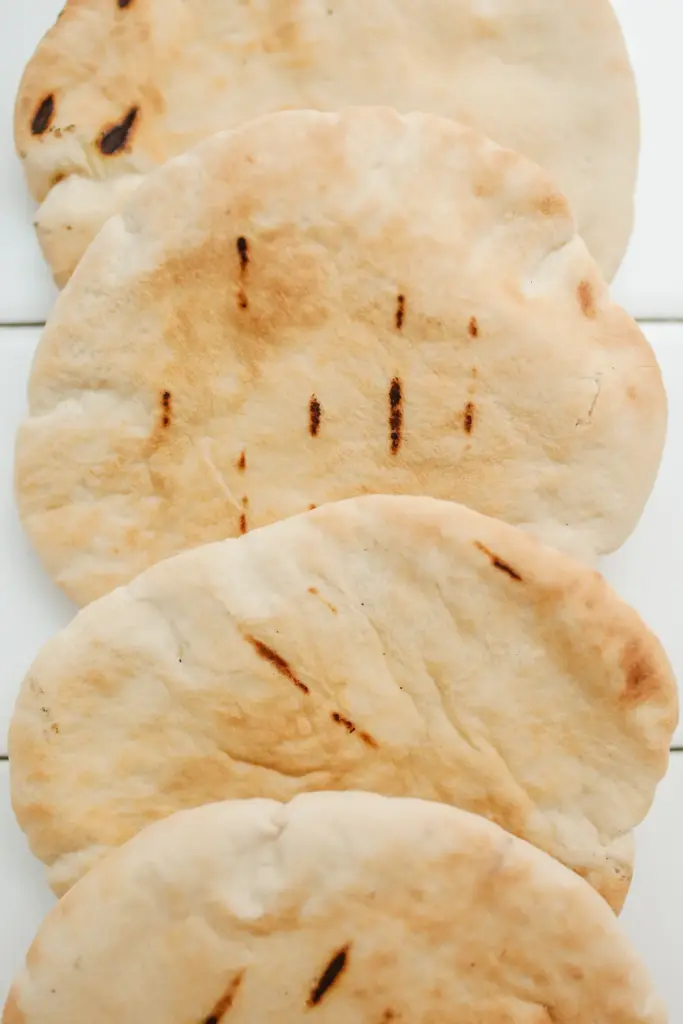
The pita you wrap a gyro in is not the same as the pocket pita sold for stuffing. Greek gyro pita is thicker, softer and has no pocket, so it bends around meat, tomato and tzatziki without splitting. This gyro pita bread recipe gets you there with a simple yeast dough and a very hot skillet.
It takes about 20 minutes of hands-on work plus an hour of rising. If you need bread faster, our no-yeast Greek yogurt flatbread is ready in 30 minutes.
Why Yeast Pita Works Best for Gyros
Yeast gives the dough small air pockets that make the bread pillowy rather than chewy. A little olive oil and Greek yogurt keep it tender, and cooking it fast on dry cast iron gives brown spots without drying it out. The result stays flexible for hours, which matters when you are building several gyros at once.
- No pocket: roll the dough to about 1/4 inch (6 mm) and cook it on a skillet, not in a hot oven, so it does not puff into a pocket.
- Soft, not crisp: stack the hot pitas under a clean towel. The steam keeps them soft.
- Make-ahead friendly: cooked pitas freeze well for up to 3 months.
Flour, Yeast and Hydration
All-purpose flour gives the softest result. Bread flour works too but makes a chewier pita. Instant yeast can be mixed straight into the flour; if you use active dry yeast, dissolve it in the warm water with the sugar first and wait 5 minutes for it to foam. The water should feel warm, not hot: about 105–110°F (40–43°C).
The dough should be soft and slightly tacky. If it sticks to your hands after 3–4 minutes of kneading, add flour a tablespoon at a time. Too much flour is the most common reason homemade pita turns out dry.
Shaping and Cooking Tips
Rest the dough balls
After dividing the dough, let the balls rest for 10 minutes under a towel. Relaxed gluten rolls out evenly and does not spring back.
Get the skillet hot
Heat a cast-iron or heavy nonstick pan over medium-high heat for 3–4 minutes before the first pita goes in. A pan that is too cool gives pale, stiff bread.
Brush with oil
Brush each pita with olive oil as it comes off the pan, then stack it under the towel. This is how gyro shops keep their pita glossy and soft.
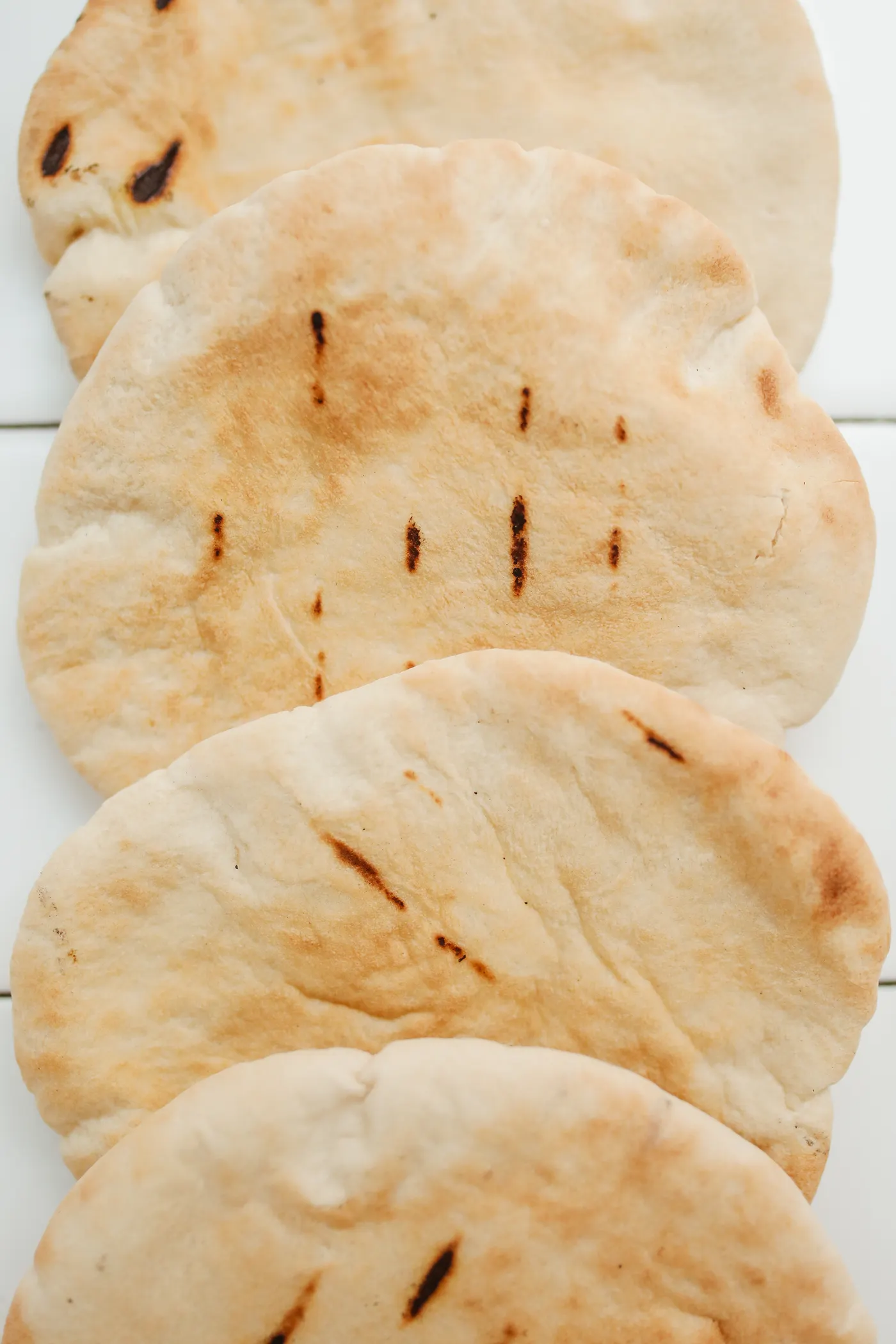
Soft Greek Pita Bread for Gyros
Ingredients
Method
- Mix the flour, yeast, sugar and salt in a large bowl. Add the warm water, olive oil and yogurt and stir into a shaggy dough.
- Knead on a lightly floured surface for 6–8 minutes, until smooth and slightly tacky.
- Place in an oiled bowl, cover and let rise in a warm spot for about 1 hour, until doubled.
- Divide into 8 equal balls, cover with a towel and rest for 10 minutes.
- Roll each ball into a 7-inch (18 cm) round about 1/4 inch (6 mm) thick.
- Heat a dry cast-iron skillet over medium-high heat for 3–4 minutes. Cook each pita for 60–90 seconds per side, until puffed in spots and lightly browned.
- Brush with olive oil and stack under a clean towel to keep soft.
Notes
How to Use Your Pita
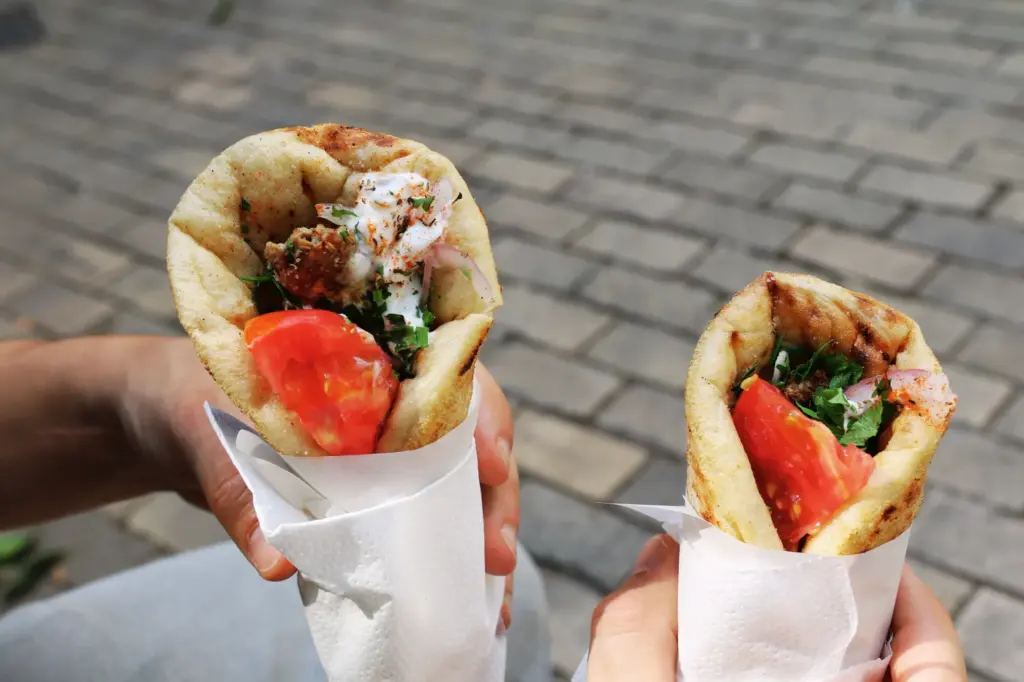
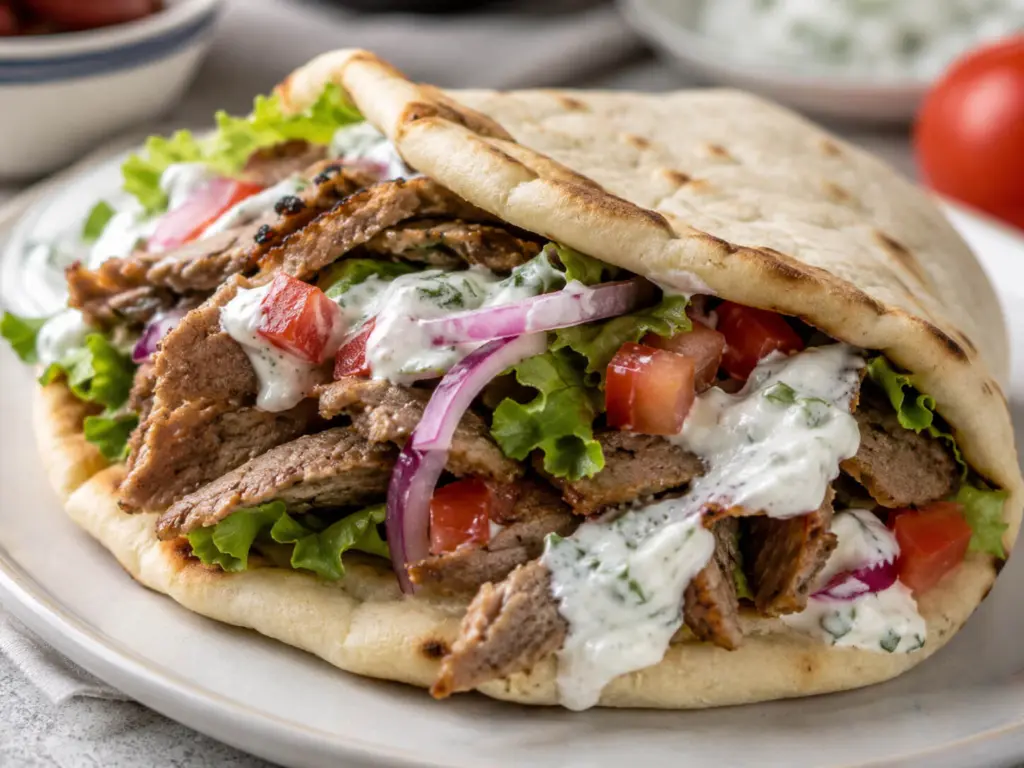
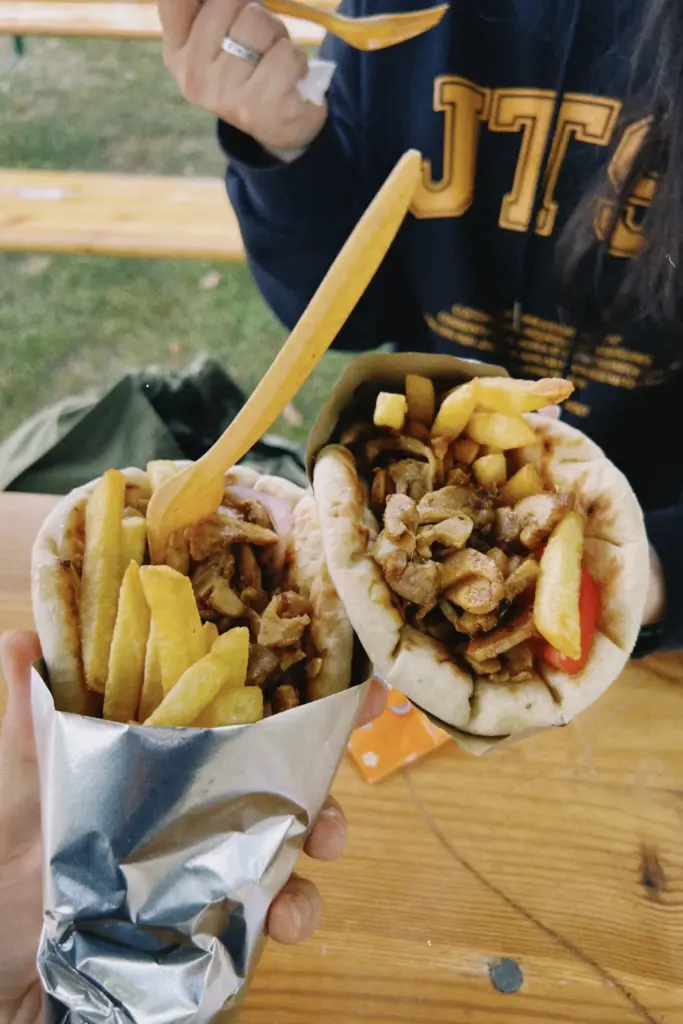
Warm a pita for 20–30 seconds per side in a dry skillet just before filling it. Spread on tzatziki sauce, add sliced meat such as our homemade gyro meat or chicken gyros, then top with tomato, onion and the classic gyro toppings. Fold the bottom up, wrap it in parchment or foil, and serve.
Out of time to bake? These gyro bread alternatives work in a pinch, and here is how to wrap a gyro so it holds together.
Frequently Asked Questions
Is gyro bread the same as pita?
Gyro bread is a type of pita. The version used for gyros is thicker, softer and has no pocket, while pocket pita is thin and splits open.
Can I bake these in the oven?
You can bake them at 475°F (245°C) on a preheated baking steel for 3–4 minutes, but they will usually puff into pockets. The skillet method gives the classic gyro texture.
How do I store homemade pita?
Keep cooled pitas in a zip-top bag at room temperature for 2 days, or freeze them with parchment between each one. Reheat in a dry skillet.
1 comment