Same gyro, different name
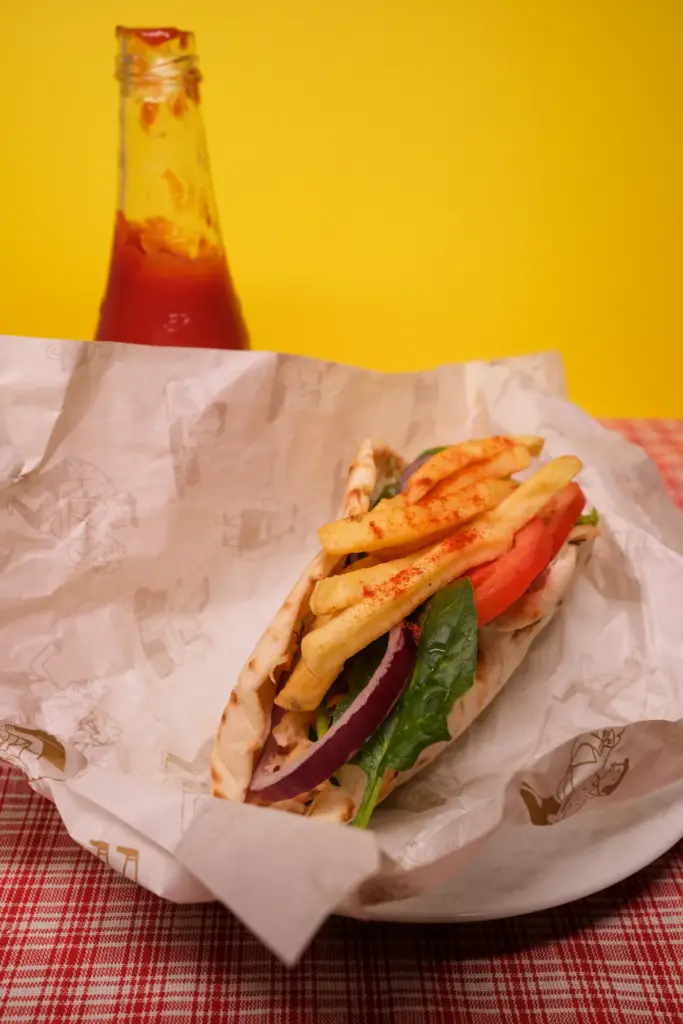
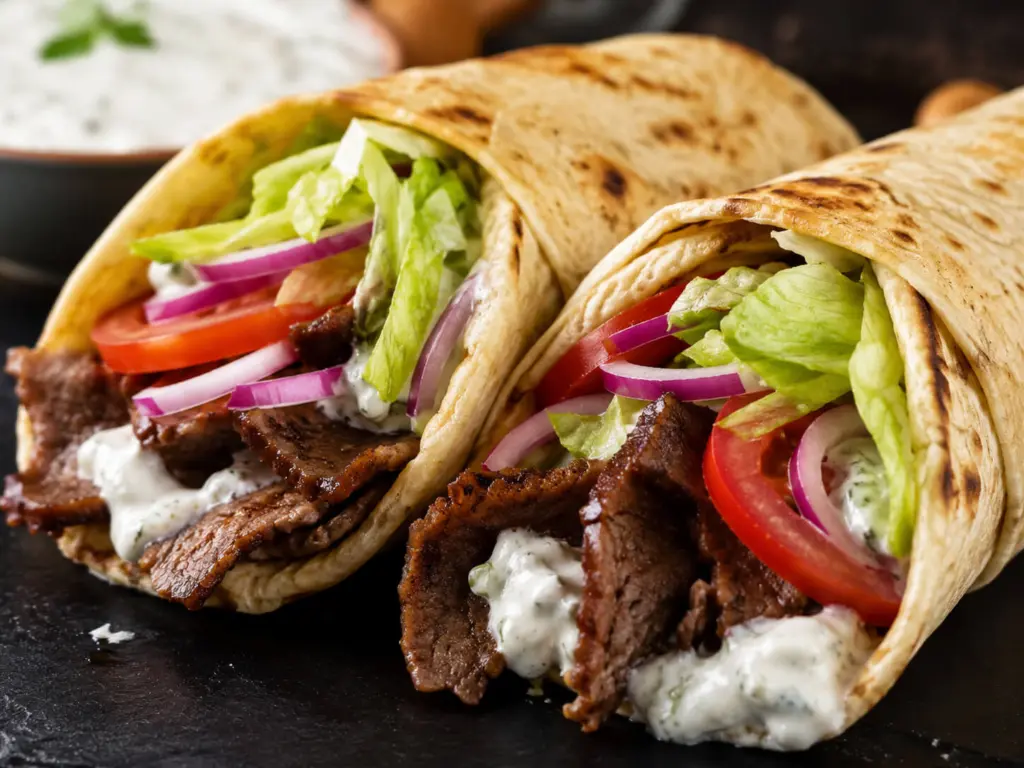
If someone in Chicago or Wisconsin asks for a “euro”, they mean a gyro, and this euro recipe shows you how to make one. The name comes from how many Americans pronounced “gyro” (“YEER-oh”), which turned into “euro” on menus and in conversation. The sandwich is the classic Greek-American gyro: beef and lamb cone meat, tomato, raw onion and tzatziki in a thick pita.
What Goes on a Euro?
- Meat: thin slices of seared beef and lamb gyro meat, piled high.
- Bread: a thick, soft pita, griddled with oil.
- Toppings: sliced tomato and raw white or red onion. Lettuce is not standard.
- Sauce: plenty of tzatziki, usually called “cucumber sauce”.
- On the side: fries, often ordered as a “euro plate” with fries and a small salad.
Chicago is closely linked with the commercial gyro cone, and the city’s gyros tend to be generous with meat and simple in toppings.
How to Make a Euro at Home
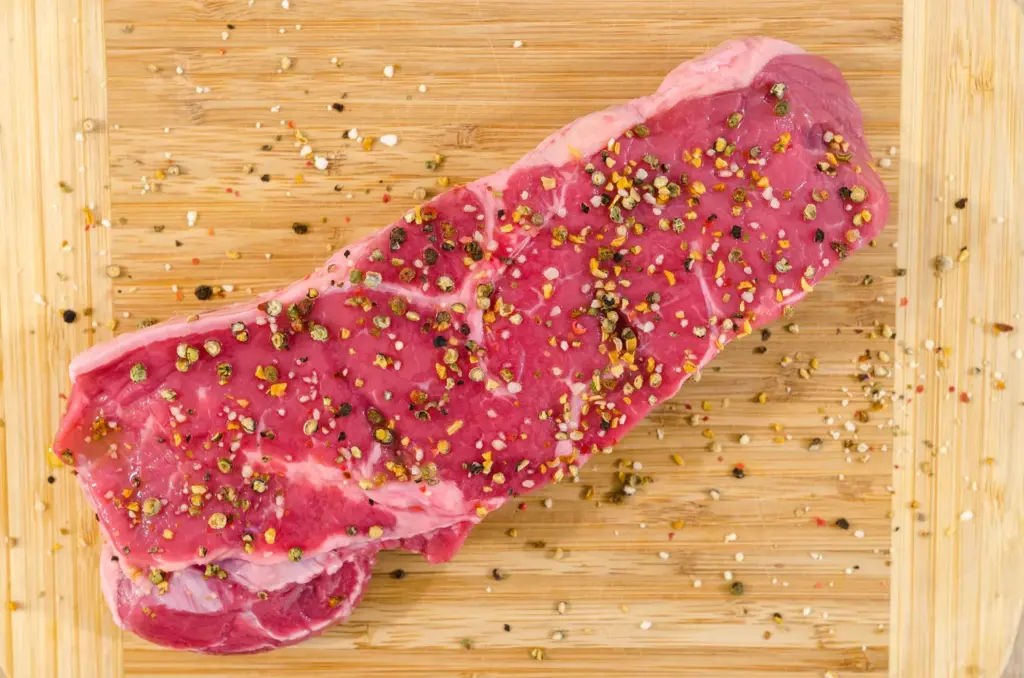
You need gyro meat with crisp edges. Make our American-style beef and lamb gyro meat or the homemade gyro meat loaf, slice it thin, and sear the slices in a hot pan. Then:
Like a creamy sauce instead? Try the white gyro sauce from American gyro carts.
- Brush a thick pita with oil and warm it on a griddle for 30 seconds per side.
- Pile on 5–6 ounces (140–170 g) of seared gyro meat.
- Add sliced tomato and raw onion.
- Spoon on 3–4 tablespoons of tzatziki.
- Fold, wrap the bottom in paper or foil, and serve with fries.
Frequently Asked Questions
Why do some people call a gyro a euro?
It comes from a common American pronunciation of “gyro” that sounds like “euro”. It is heard most in the Chicago area and parts of the Midwest.
Is a euro different from a gyro?
No. It is the same Greek-American gyro sandwich under a regional name.